
Visiting Japan is not only about sightseeing and food—it’s also about experiencing Japanese culture firsthand.
And one of the best ways to do that is by staying at a ryokan, Japan’s traditional inn.
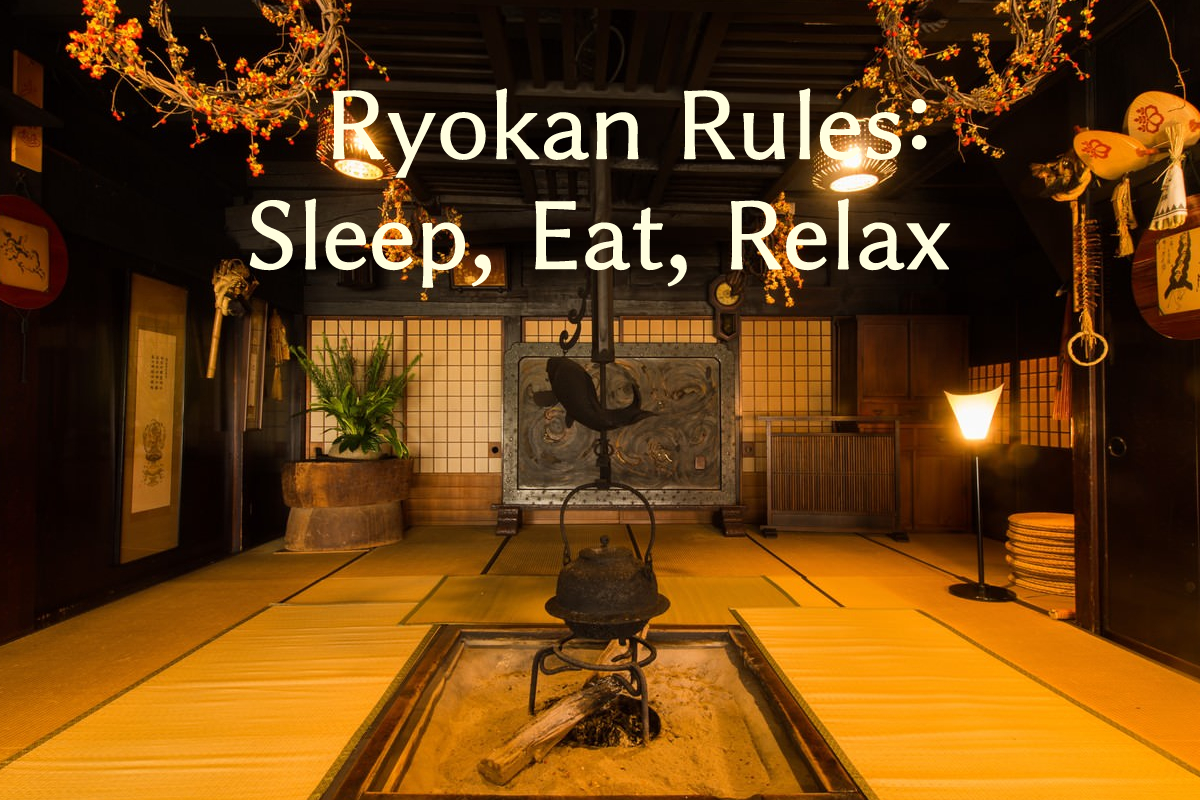
Unlike a Western-style hotel, a ryokan is more than just a place to sleep. It’s a cultural experience filled with history, seasonal food, tatami rooms, futon bedding, and of course, soothing onsen hot springs.
In this guide, I’ll share everything you need to know about Japanese ryokan etiquette—from how to enter the room to enjoying meals and hot springs—so you can feel confident and enjoy your stay to the fullest.
1. What Is a Ryokan? How Is It Different From a Hotel?
Many first-time visitors ask: “What exactly is a ryokan, and how is it different from a hotel?”
- Hotels: Western-style rooms with beds, restaurants, and standardized service.
- Ryokan: Traditional tatami-mat rooms, futon bedding, multi-course kaiseki meals, and often onsen baths.
Ryokan are deeply connected to Japanese history. Their origin goes back to the Edo period (1603–1868), when travelers stayed at hatago (inns) along the highways. Over time, they evolved into today’s ryokan, carrying on the spirit of Japanese omotenashi—hospitality that makes guests feel at home.
So, staying at a ryokan means stepping into a living tradition, not just booking a room.
2. Essential Ryokan Etiquette and Customs
Remove Your Shoes at the Entrance
Just like in a Japanese home, you’ll be asked to take off your shoes at the entrance. This comes from Japan’s culture of cleanliness—keeping the “outside dirt” away from the living space.
👉 Important: In a tatami room, shoes and slippers are strictly not allowed. Tatami mats are soft, natural, and considered sacred. You should walk barefoot or in socks.
Tatami Rooms and Futon Bedding
Tatami mats are more than just flooring—they’re part of Japanese wisdom. Made from natural igusa (rush grass), tatami have a calming scent, adjust humidity, soften footsteps, and feel wonderfully comfortable to sit or lie on.
That’s why ryokan etiquette says no shoes or slippers. Think of it not as a rule, but as a way to enjoy the beauty of tatami with all your senses.
At night, a staff member (often called nakai-san) will enter your room to lay out your futon bedding. This may feel unusual, but it’s part of ryokan hospitality: the idea that “guests should do nothing but relax.”
How to Wear a Yukata (Casual Kimono)
In your room, you’ll find a yukata, a light cotton robe. It’s traditional loungewear designed for comfort after a bath.
- Indoors: A thin yukata for relaxing inside the inn.
- Outdoors: A sturdier yukata for strolling through the hot spring town, usually with geta sandals.
👉 Very important: Always wrap the left side over the right. The opposite (right over left) is used only for the dead in funerals.
Using the Room Properly
- Open and close sliding doors (fusuma, shoji) gently.
- Avoid rolling heavy suitcases directly on the tatami.
- Don’t worry about cleaning—staff will take care of it.
3. Unique Cultural Experiences in a Ryokan
Meeting the Okami and Nakai
The okami (female manager) and nakai (attendant) are not just staff—they’re cultural guides who make your stay memorable.
Try greeting them or asking simple questions like:
- “What local food do you recommend?”
- “Where’s the best spot for autumn leaves?”
These small exchanges can open the door to local stories and traditions.
Seasonal Beauty
A ryokan stay changes with the seasons:
- Spring: Cherry blossoms and outdoor baths.
- Summer: Cool mountain breezes and river sounds.
- Autumn: Brilliant red and gold leaves in the garden.
- Winter: Snow-view baths and cozy kotatsu tables.
No matter when you visit, the scenery enhances the ryokan experience.
4. Dining Etiquette: Enjoying Kaiseki Meals
Dinner at a ryokan usually means kaiseki ryori—a beautifully arranged multi-course meal featuring local, seasonal ingredients.
- Basic chopstick etiquette: Don’t stick chopsticks upright in rice, and don’t pass food from chopstick to chopstick.
- If you’re not comfortable with chopsticks, don’t hesitate to ask for a fork or knife. Staff are used to this request.
Saying “Itadakimasu” before eating and “Gochisosama deshita” after shows appreciation for the meal and the culture.
5. Onsen Bath Etiquette
Most ryokan feature communal onsen baths, a highlight of the stay. Follow these simple rules:
- Wash yourself before entering the bath.
- Do a quick rinse (kakeyu) to adjust to the water.
- Don’t bring towels into the bath. Place it on your head or outside the tub.
- Tie up long hair.
- Tattoos: Some ryokan may restrict entry, but more “tattoo-friendly onsen” are available.
(For more details, see my complete Onsen Etiquette Guide!)
6. Do You Need to Tip?
Good news: No tipping required at a ryokan. Service charges are already included in your stay.
If you really want to show extra gratitude, some Japanese guests give a small envelope called kokorozuke with money, but it’s not expected for international travelers.
7. A Typical Ryokan Stay: From Check-In to Check-Out
- Check-in: Remove shoes, be guided to your room, and enjoy tea with wagashi (Japanese sweets).
- Evening: Bath, kaiseki dinner, and maybe a round of table tennis or a walk in yukata.
- Night: Futon bedding prepared for you.
- Morning: A refreshing soak followed by a Japanese breakfast.
- Check-out: Warm farewell, often with a bow from the staff.
Conclusion: A Ryokan Stay Is a Journey Into Japanese Culture
Staying at a ryokan isn’t just about sleeping overnight—it’s about experiencing Japanese tradition, hospitality, and lifestyle.
From removing your shoes at the entrance, to relaxing on tatami, to savoring a kaiseki dinner and soaking in an onsen, every step is part of the story.
Think of etiquette not as strict rules, but as invitations to enjoy Japan in the most authentic way.
If you want your trip to Japan to be more than sightseeing, spend a night at a ryokan.
It’s an unforgettable way to connect with the heart of Japanese culture.
Let’s soak up more of Japan’s hot spring magic. ♨️✨