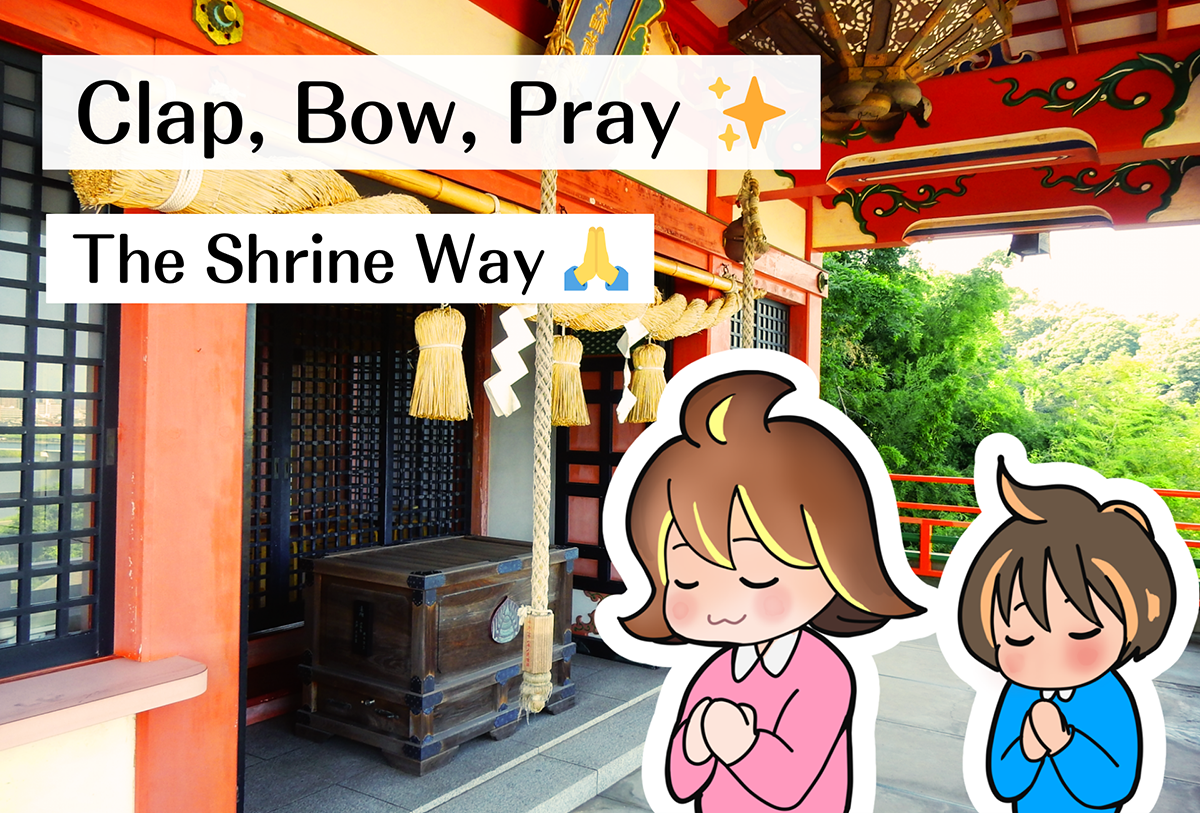

Hi, I’m Puchiko! ⛩️✨
These days, I often see many overseas visitors at Japanese shrines and temples.
It’s such a unique cultural experience that it can feel confusing at first.
But don’t worry—visiting a Shinto shrine is actually very simple once you know the basics.
And nowadays, there are traditional customs as well as some modern, relaxed practices you can follow.
So today, I’ll walk you through how to pray at a Japanese shrine, step by step, in a way that’s both respectful and easy to remember♬
1. Basic Rules of Visiting a Shrine
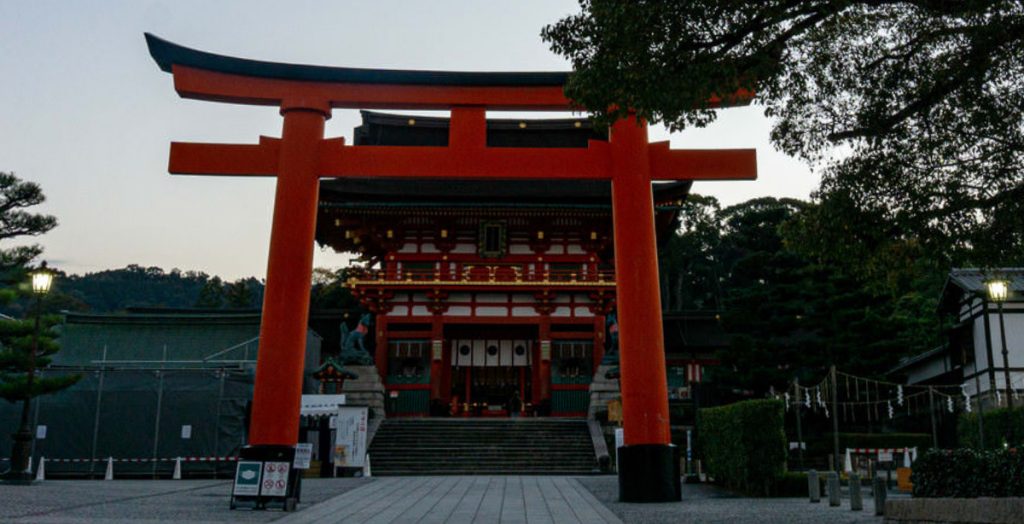
Passing through the Torii Gate
- Tradition: The torii marks the boundary between the human world and the sacred world. Bow lightly before walking through.
- Modern practice: Not mandatory, but bowing helps set your mind in a respectful mood.
Walking on the Approach (Sandō)
- Tradition: The center path is considered the “way of the gods,” so visitors walk along the sides.
- Modern practice: If the shrine is crowded, safety comes first—don’t worry too much.
Keeping Quiet
- Tradition: Shrines are peaceful, sacred spaces. Running and loud talking are discouraged.
- Modern practice: A little noise from children is fine, as long as it doesn’t disturb others.
2. Purification at the Temizuya (Water Basin)
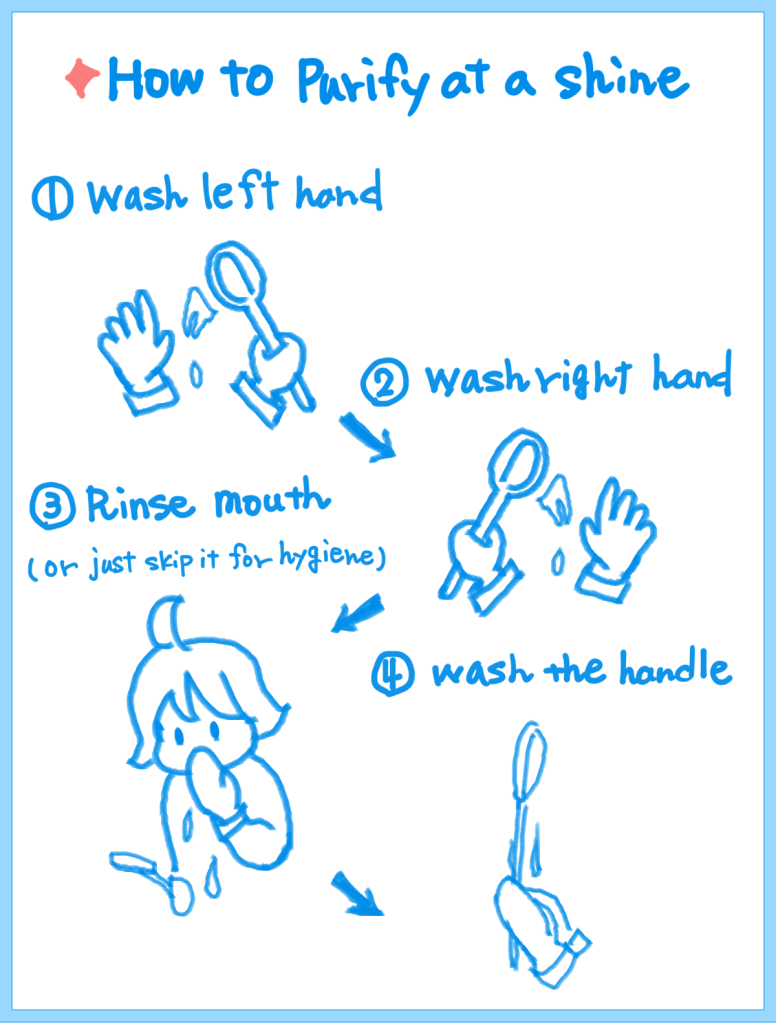
Near the entrance, you’ll find a water pavilion called a temizuya.
This is where visitors purify themselves before approaching the shrine.
- Tradition:
- Hold the ladle in your right hand, pour water over your left hand.
- Switch hands, pour water over your right hand.
- Pour a little water into your left hand and rinse your mouth.
- Tip the ladle upright to wash the handle, then return it.
- Modern practice: Many people skip the mouth-rinsing step for hygiene reasons. Simply washing your hands is perfectly fine 😊
3. Offering and Prayer Etiquette
The Offering (Osaisen)
- Tradition: Quietly place coins into the offering box. Some people use 5 yen coins because “go-en” sounds like “good connection.”
- Modern practice: Any amount is okay—what matters is sincerity, not money.
The Bell
- Tradition: Ring the bell after your offering to greet the deity.
- Modern practice: Some shrines have removed the bells, so if there’s no bell, just continue.
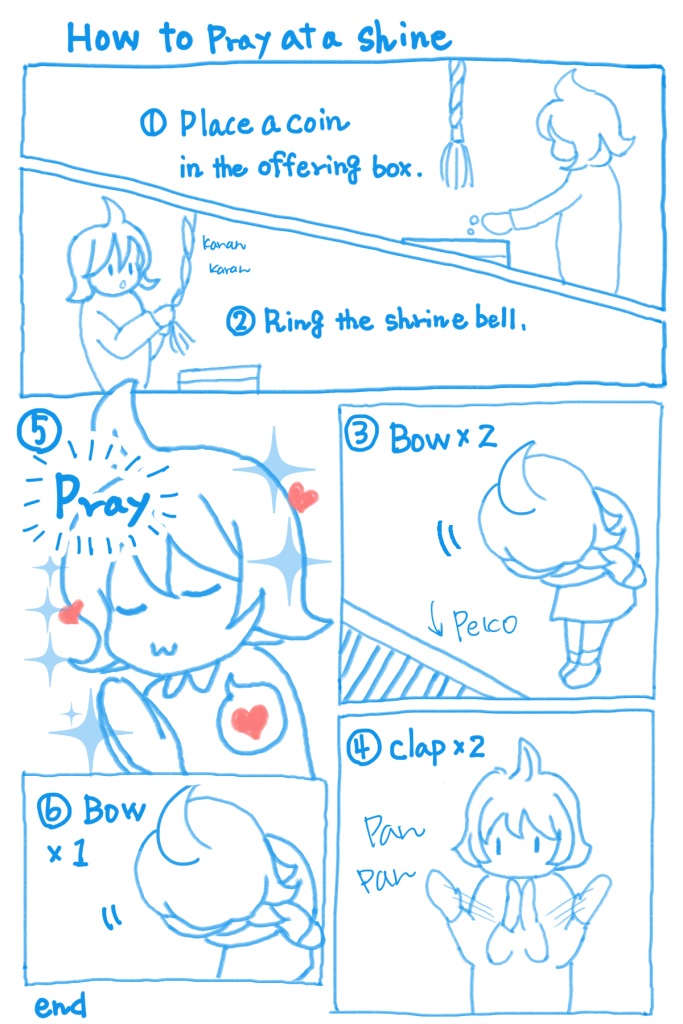
The Proper Way to Pray (Two Bows, Two Claps, One Bow)
This part hasn’t changed!
- Put in your offering
- (Ring the bell if there is one)
- Bow deeply twice
- Clap your hands twice at chest level
- Close your eyes and pray
- Finish with one final deep bow
That’s it—perfect! ⛩️✨
4. What to Say in Your Prayer
- Tradition: Start by expressing gratitude to the deity.
- Modern practice: You can also pray for health, safety, success, or travel blessings. 👉 Tip: In Japan, it’s said that quietly stating your name and where you’re from helps your prayer “reach” the deity.
5. Can You Take Photos?
- Tradition: Taking photos in front of the worship hall was considered disrespectful.
- Modern practice: Many shrines now allow photography in designated areas, but the main hall often remains off-limits. 👉 Always check the signs, and keep photography low-key at prayer spaces.
Conclusion: Blending Tradition and Today
Shrine etiquette may seem complicated, but it’s actually simple once you know the flow:
- Bow lightly at the torii gate
- Purify your hands at the temizuya (skip the mouth rinse if you prefer)
- Offer coins with sincerity, not for the amount
- Perform the “two bows, two claps, one bow” ritual
By respecting both traditional customs and modern practices, you’ll enjoy a meaningful and memorable shrine visit.
So on your next trip to Japan, take a moment at a Shinto shrine—
and experience the quiet, sacred dialogue with the kami (deities) 🌸
Let’s enjoy more of Japan’s mysteries! 🇯🇵✨